Learn how to handle toddler nutrition and picky eating when siblings have different food preferences. Get practical guidance on protein, vegetables, healthy snacks, mealtime boundaries, common nutrient gaps, and when your child may need extra feeding support.
Tuesday, December 8th
3:00 PM UTC
45 minPicky Eaters and Siblings: Making Mealtimes Work
Free Virtual EventRecorded
Tuesday, December 8th
3:00 PM UTC
45 minCan't make it? RSVP to receive the episode on AuggieTV
Hosted by:
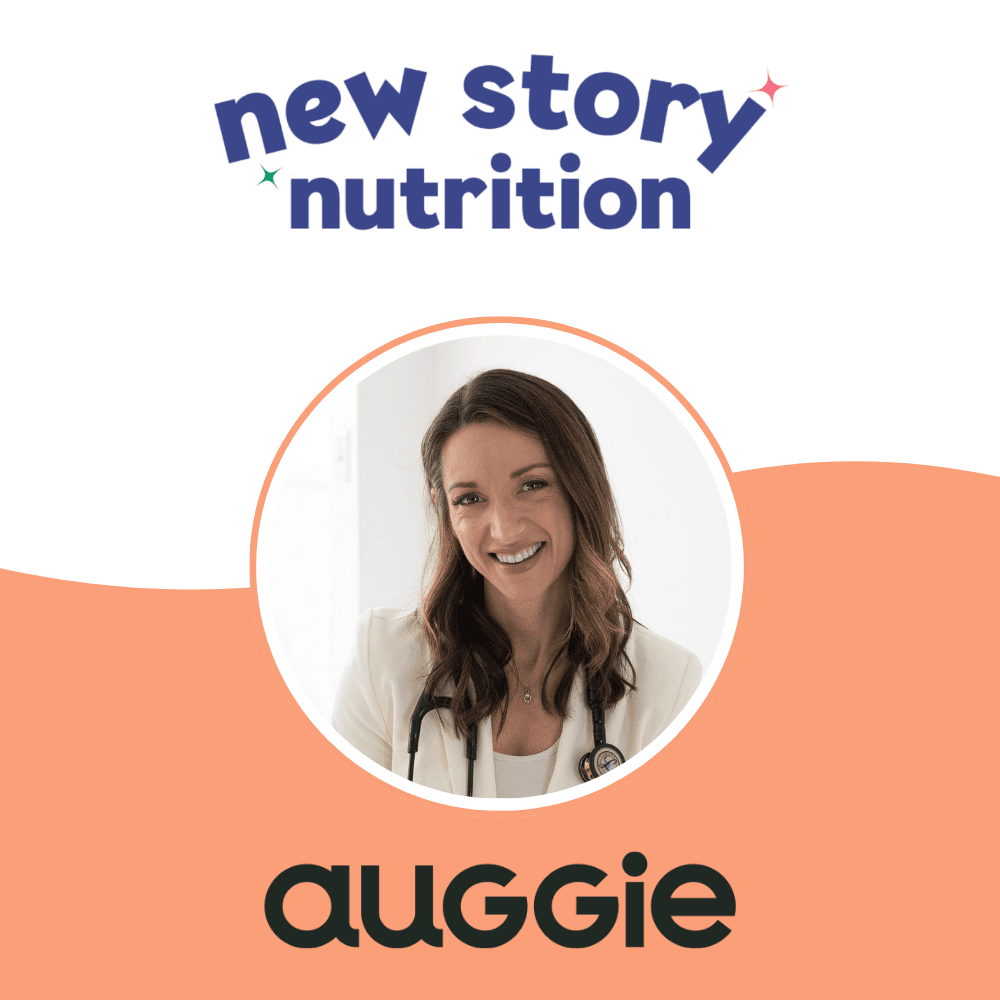
New Story Nutrition
About this event:
One child will eat almost anything, while another seems perfectly content rotating through the same three foods. When siblings have completely different preferences, feeding everyone well can make everyday meals feel more complicated than they need to be.
In this practical conversation, Dr. Liz Daniels, DO, RDN a board certified pediatrician and registered dietitian will break down the nutritional needs of children ages 1–4 and share realistic strategies for feeding toddlers with different appetites and preferences. You’ll learn how much protein young children actually need, where to get it, and which nutrient gaps are most common during the toddler years.
We’ll also tackle everyday questions like whether to hide vegetables, how to snack with purpose, and how to create helpful boundaries around snacks and mealtime behavior. You’ll get ideas for offering real foods your kids may actually eat without making separate meals for everyone.
Finally, we’ll cover signs that picky eating may need additional support and when it’s worth bringing in a specialist. You’ll leave with practical strategies for supporting your whole family—even when no two kids eat alike.
Starts in
0Days
00Hrs
00Min
00Sec
Save your seat.
Reserve your spot, get a calendar invite, and we'll send the recording afterward if you can't make it live.
Picky Eaters and Siblings:Making Mealtimes Work
FreeRecorded
Tuesday, Dec 8
3:00 PM UTC · 45 min
Event Content Disclaimer
Participation in Auggie events, including virtual workshops, expert sessions, and community discussions, is voluntary. The information shared during these events is intended for general educational and informational purposes only and should not be considered medical, legal, or professional advice. Please consult your own medical team or appropriate professional for guidance specific to your situation.
