Learn how the bladder, bowel, brain, and pelvic floor work together during potty training. Discover practical tips for toilet positioning, physical readiness, constipation, holding habits, and the red flags that may signal your child needs extra support.
Wednesday, November 11th
2:00 PM UTC
45 minPotty Training: What the Pelvic Floor Tells Us
Free Virtual EventRecorded
Wednesday, November 11th
2:00 PM UTC
45 minCan't make it? RSVP to receive the episode on AuggieTV
Hosted by:
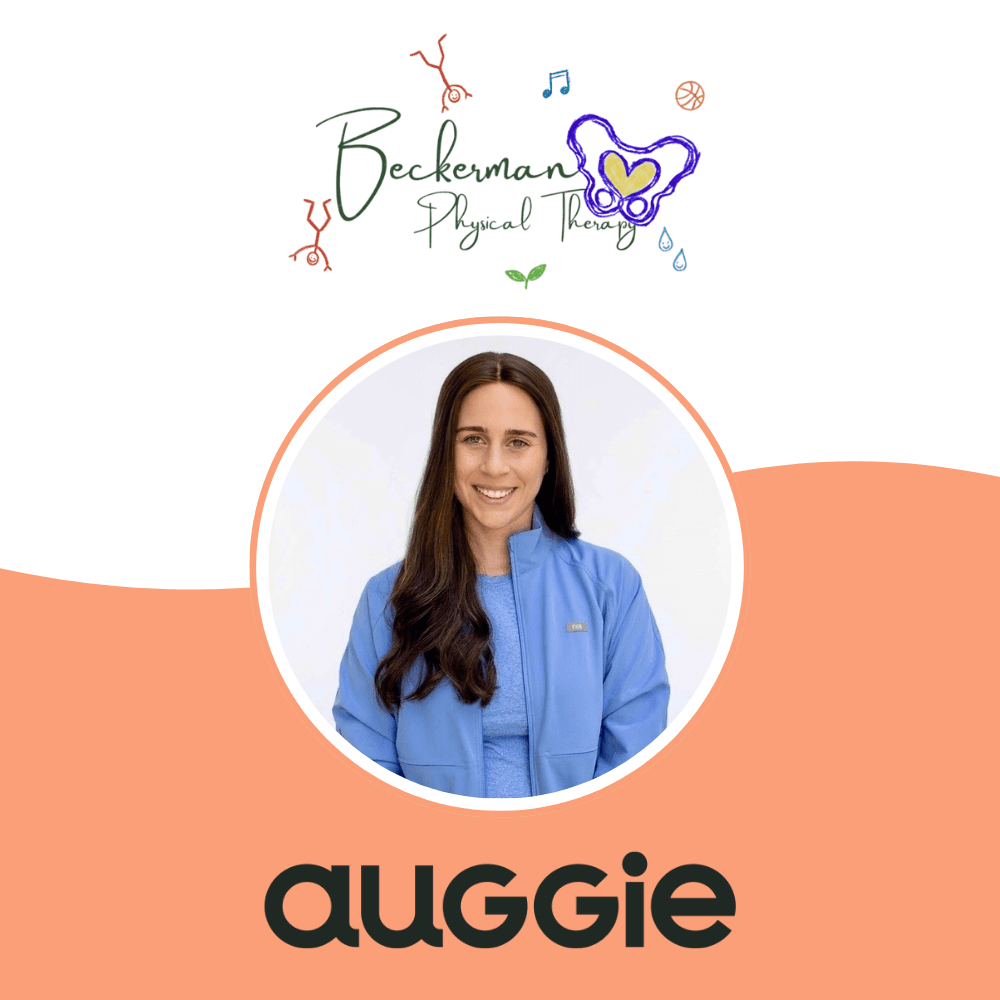
Dr. Yael Beckerman
About this event:
Potty training isn’t just about age, interest, or finding the right reward system. Successful toileting also depends on a child’s bladder, bowel, brain, and pelvic floor learning to work together - and understanding that connection can make potty training feel a lot less mysterious.
In this conversation, we’ll look at potty training through a pelvic floor lens, including how toilet positioning, breathing, and relaxation affect a child’s ability to pee and poop comfortably. We’ll explore why pushing to pee can create problems, why something as simple as a footstool matters, and how constipation and holding habits can quietly derail potty training.
Yael Beckerman will also explain what “core strength” really means for kids, looking beyond the abs to the diaphragm, deep abdominal muscles, back, and pelvic floor. Parents will learn how this interconnected system can influence toileting, posture, and even sitting comfortably at school.
You’ll leave with practical ways to assess your child’s physical readiness, create a supportive toilet setup, avoid common habits that make toileting harder, and recognize red flags that may mean it’s time to pause or seek professional support.
Starts in
0Days
00Hrs
00Min
00Sec
Save your seat.
Reserve your spot, get a calendar invite, and we'll send the recording afterward if you can't make it live.
Potty Training:What the Pelvic Floor Tells Us
FreeRecorded
Wednesday, Nov 11
2:00 PM UTC · 45 min
Event Content Disclaimer
Participation in Auggie events, including virtual workshops, expert sessions, and community discussions, is voluntary. The information shared during these events is intended for general educational and informational purposes only and should not be considered medical, legal, or professional advice. Please consult your own medical team or appropriate professional for guidance specific to your situation.
